


Blog & Resources

Expert insights on addiction recovery, mental health, and family support from the clinical team at MTN Rehab in Downey, California.

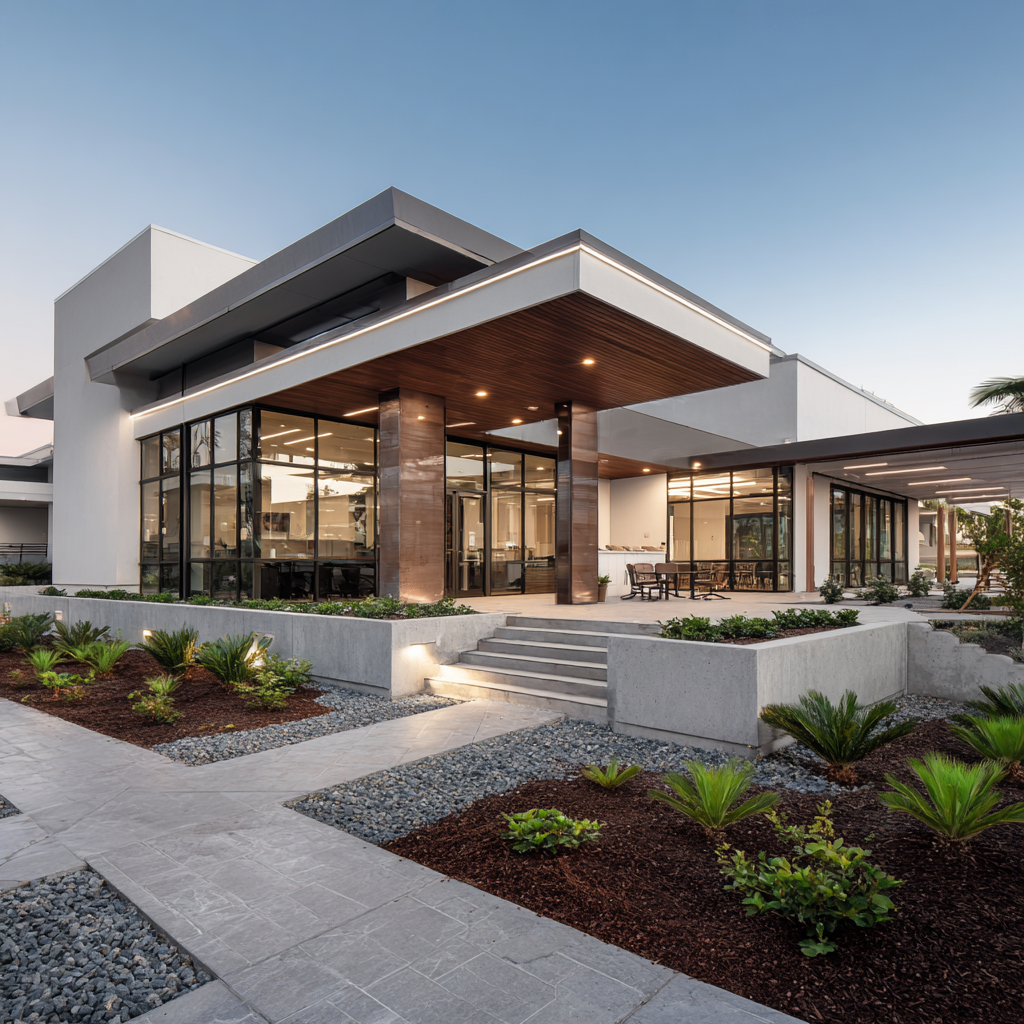
Signs of opioid addiction - MTN Rehab treatment facility in Downey
Addiction Information
January 12, 2026 MTN Rehab Team

Signs of Opioid Addiction: What Downey Families Should Know

Learn to recognize the physical, behavioral, and emotional warning signs of opioid addiction and understand when professional treatment is needed.

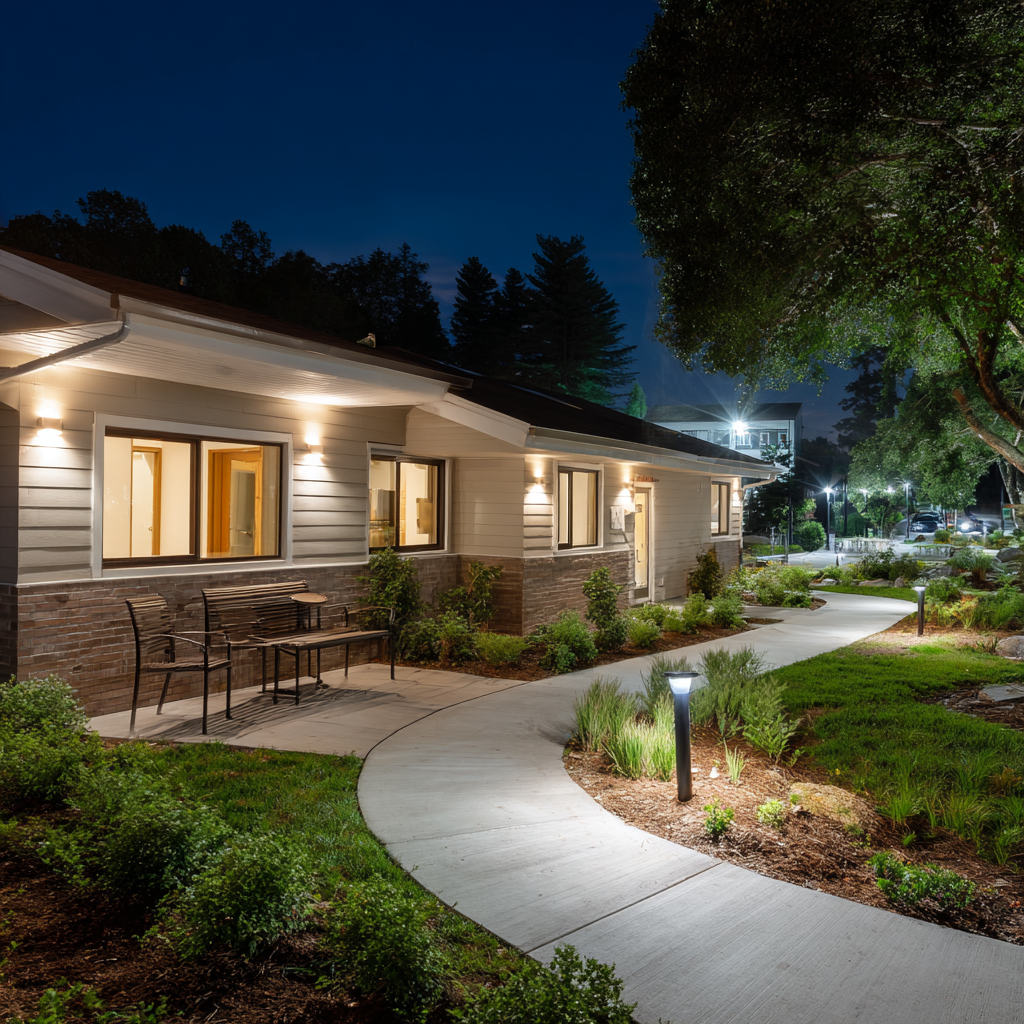
Evidence-based recovery at MTN Rehab amenities
Recovery Tips
January 20, 2026 MTN Rehab Team

5 Evidence-Based Recovery Tips from MTN Rehab Experts

Discover five clinically proven strategies that our treatment specialists recommend for building and maintaining long-term sobriety.

Family support for addiction recovery at MTN Rehab
Family Support
January 28, 2026 MTN Rehab Team

How to Help a Loved One Struggling with Addiction in California

A compassionate guide for families navigating the complexities of supporting someone through substance use disorder and treatment.

Dual diagnosis treatment at MTN Rehab in Downey
Mental Health
February 5, 2026 MTN Rehab Team

Understanding Dual Diagnosis Treatment at MTN Rehab

Explore how treating addiction alongside co-occurring mental health conditions leads to more comprehensive and lasting recovery outcomes.

MTN Rehab spring wellness programs announcement
News & Updates
February 14, 2026 MTN Rehab Team

MTN Rehab Welcomes New Spring Wellness Programs

Our Downey campus is expanding its holistic wellness offerings this spring with new yoga, nutrition, and outdoor meditation programming.

MTN Rehab facility in Downey California - opioid addiction treatment

Signs of Opioid Addiction: What Downey Families Should Know

The opioid crisis continues to affect communities across Southern California, and Downey is no exception. From prescription painkillers like oxycodone and hydrocodone to illicit substances such as heroin and fentanyl, opioid addiction has touched families from every background and every neighborhood in the region. At MTN Rehab, located on Firestone Boulevard in Downey, our clinical team works with individuals and families every day who are navigating the devastating impact of opioid use disorder. Recognizing the signs early can mean the difference between a manageable intervention and a life-threatening crisis.

Understanding the Opioid Epidemic in California

California has seen a dramatic increase in opioid-related overdose deaths over the past decade, with fentanyl emerging as the primary driver of fatalities in recent years. What often begins as a legitimate prescription for pain management following surgery, an injury, or a chronic condition can quickly spiral into dependency. The body develops tolerance rapidly, meaning that higher doses are needed to achieve the same pain relief or euphoric effect. This tolerance is the gateway through which many individuals unknowingly cross from use into addiction.

In Los Angeles County, where Downey is situated, emergency departments have reported year-over-year increases in opioid-related visits. The problem is not confined to any single demographic. Teenagers experimenting with pills found in medicine cabinets, working professionals managing chronic pain, and older adults prescribed opioids after surgery are all at risk. Understanding this landscape is the first step toward protecting your family.

Physical Warning Signs

Opioid addiction manifests through a range of physical symptoms that, when observed together, paint a troubling picture. Families in Downey should watch for the following changes in their loved ones:

  • Constricted pupils: Often called "pinpoint pupils," this is one of the most reliable physical indicators of opioid use, as it occurs even in well-lit environments.
  • Drowsiness and nodding off: Individuals may appear excessively sleepy, falling asleep at unusual times or in mid-conversation, a phenomenon sometimes referred to as "nodding."
  • Weight loss and appetite changes: Opioids suppress appetite, and prolonged use often leads to noticeable weight loss and nutritional deficiencies.
  • Frequent flu-like symptoms: When an individual begins to experience withdrawal between doses, they may display symptoms resembling the flu, including runny nose, sweating, muscle aches, nausea, and chills.
  • Track marks or skin infections: For those who have progressed to intravenous use, needle marks on the arms, legs, or between toes may be visible, sometimes accompanied by abscesses or infections.
  • Slowed breathing: Opioids depress the central nervous system, causing noticeably slow or shallow respiration, which in severe cases can be life-threatening.

Behavioral and Emotional Red Flags

Beyond the physical signs, opioid addiction causes profound behavioral and emotional changes. A person who was once engaged, responsible, and emotionally present may gradually become someone their family barely recognizes. Common behavioral indicators include:

  • Social withdrawal: Pulling away from family gatherings, abandoning hobbies and activities they once enjoyed, and isolating themselves for extended periods.
  • Doctor shopping: Visiting multiple physicians or emergency rooms to obtain additional prescriptions, or expressing unusual urgency about refilling prescriptions early.
  • Financial difficulties: Unexplained money problems, missing valuables from the home, or borrowing money frequently without reasonable explanation.
  • Mood instability: Rapid swings between euphoria and irritability, increased anxiety, or uncharacteristic hostility when confronted about their behavior.
  • Neglecting responsibilities: Missing work or school, failing to meet family obligations, and declining personal hygiene standards.
  • Secretive behavior: Making furtive phone calls, disappearing for unexplained periods, or becoming defensive when questioned about their whereabouts.

When Prescription Use Crosses the Line

One of the most challenging aspects of opioid addiction is identifying the moment when legitimate medical use transitions into abuse. At MTN Rehab, we educate families that the following patterns often signal a problem: taking medication in higher doses or more frequently than prescribed, continuing to use opioids after the underlying pain has resolved, requesting early refills, combining opioids with alcohol or benzodiazepines to amplify their effect, and expressing panic or extreme anxiety at the thought of running out of medication. If you recognize any of these patterns in a family member, it does not mean they are a bad person. It means they are caught in the grip of a powerful substance and need professional support.

The Dangers of Fentanyl in the Downey Area

Fentanyl has fundamentally changed the opioid landscape in Southern California. This synthetic opioid is fifty to one hundred times more potent than morphine and is increasingly found mixed into counterfeit pills made to look like legitimate prescription medications. A person may believe they are taking an oxycodone pill when, in fact, they are ingesting a lethal dose of fentanyl. This reality makes every instance of opioid misuse a potentially fatal event. Families in Downey and surrounding communities should be aware that fentanyl test strips and naloxone (Narcan) are available through local harm reduction programs and pharmacies.

Taking the Next Step

If you have recognized any of these signs in someone you love, the most important thing you can do is approach the situation with compassion rather than judgment. Addiction is a medical condition, not a moral failing. At MTN Rehab, our admissions team is available around the clock to discuss your concerns, answer your questions, and help you explore treatment options. From medically supervised detox that safely manages withdrawal symptoms to residential programs that address the root causes of addiction, our Downey facility provides the full continuum of care your loved one needs.

Early intervention saves lives. The sooner a person receives professional treatment, the better their chances of achieving lasting recovery and avoiding the most devastating consequences of opioid addiction, including overdose and death.

Concerned About a Loved One?

Our admissions team is available 24/7 to provide a free, confidential assessment. We accept most major insurance plans.

Call (209) 315-7901
MTN Rehab comfortable amenities for evidence-based recovery

5 Evidence-Based Recovery Tips from MTN Rehab Experts

Recovery from addiction is not a single event but an ongoing process that requires commitment, strategy, and support. At MTN Rehab in Downey, California, our clinical team has helped hundreds of individuals build lasting sobriety through treatment approaches grounded in scientific research and decades of clinical experience. While every recovery journey is unique, there are foundational strategies that consistently produce positive outcomes. Here are five evidence-based tips that our experts recommend for anyone navigating the path from addiction to sustained wellness.

1. Build a Structured Daily Routine

Research consistently shows that structure is one of the most powerful tools in early recovery. During active addiction, daily life often revolves around obtaining and using substances, creating chaotic and unpredictable patterns. Establishing a structured routine fills the void left by substance use and reduces the idle time that so often leads to cravings and relapse.

At MTN Rehab, we help our clients develop personalized daily schedules that balance therapeutic activities with self-care, physical exercise, nourishing meals, adequate sleep, and meaningful leisure activities. The goal is not to create a rigid, joyless timetable but to establish a rhythmic framework that provides stability and purpose. Waking up at a consistent time, eating meals at regular intervals, attending therapy sessions, exercising, and going to bed at the same hour each night creates a neurological foundation that supports emotional regulation and reduces the brain's craving response.

Clients who maintain structured routines during their time at our Downey facility and carry those habits into their lives after discharge consistently report greater confidence in their ability to maintain sobriety. Start small. Write down three non-negotiable daily activities and build from there.

2. Engage in Regular Physical Exercise

The connection between physical exercise and successful recovery is well-documented in addiction medicine literature. Exercise triggers the release of endorphins, the body's natural mood-elevating chemicals, which can help compensate for the neurological deficits created by prolonged substance abuse. Regular physical activity also reduces anxiety, improves sleep quality, boosts self-esteem, and provides a healthy outlet for stress.

You do not need to train for a marathon or join an expensive gym. Walking for thirty minutes each day, practicing yoga, swimming, cycling, or even gardening can produce significant benefits. At MTN Rehab, our treatment programs incorporate physical wellness activities tailored to each client's abilities and interests. Our Downey campus features outdoor spaces ideal for movement and mindfulness practices. The key is consistency. Aim for at least 150 minutes of moderate physical activity per week, as recommended by major health organizations, and notice how your mood, energy, and resilience improve over time.

3. Develop a Relapse Prevention Plan

Relapse is not a sign of failure. It is a common challenge in the recovery process, and research estimates that between forty and sixty percent of individuals recovering from substance use disorders will experience at least one relapse. However, having a proactive relapse prevention plan dramatically improves outcomes and can prevent a temporary lapse from becoming a full return to active addiction.

A comprehensive relapse prevention plan, developed in collaboration with your treatment team at MTN Rehab, should include the following components:

  • Trigger identification: A detailed list of people, places, situations, emotions, and sensory cues that have historically triggered cravings or use.
  • Coping strategies: Specific techniques you will employ when triggers arise, such as calling your sponsor, practicing deep breathing, attending a support group meeting, or removing yourself from the triggering environment.
  • Emergency contacts: A prioritized list of people to reach out to during moments of crisis, including your therapist, sponsor, sober friends, and the MTN Rehab aftercare team.
  • Warning sign awareness: An honest inventory of the early warning signs that you may be heading toward relapse, such as romanticizing past substance use, skipping support meetings, or isolating from your recovery community.

Review and update your relapse prevention plan regularly. As you grow in recovery, your triggers and coping strategies will evolve, and your plan should evolve with them.

4. Participate in Group Therapy and Peer Support

Isolation is one of the greatest enemies of recovery. Addiction thrives in secrecy and disconnection, which is why peer support and group therapy are cornerstones of effective treatment. Participating in group sessions at MTN Rehab allows clients to share their experiences in a safe, non-judgmental environment, learn from others who face similar challenges, practice vulnerability and honesty, and build the social skills that may have deteriorated during active addiction.

Research from the National Institute on Drug Abuse confirms that group therapy is as effective as individual therapy for many individuals and that the accountability and camaraderie found in group settings provide unique therapeutic benefits. Beyond formal treatment, participation in community-based support groups such as twelve-step programs, SMART Recovery, or faith-based recovery groups extends the support network well beyond the walls of a treatment center. Our clinical team at the Downey campus helps clients identify and connect with local support groups that align with their values and preferences before discharge, ensuring a seamless transition into community-based recovery support.

5. Prioritize Mental Health and Emotional Wellness

Substance use disorders rarely exist in isolation. Many individuals struggling with addiction also experience co-occurring mental health conditions such as depression, anxiety, post-traumatic stress disorder, or bipolar disorder. When these underlying conditions go untreated, they significantly increase the risk of relapse, regardless of how committed a person is to their sobriety.

At MTN Rehab, our dual diagnosis program addresses addiction and mental health simultaneously, recognizing that lasting recovery requires healing the whole person. Evidence-based therapies such as Cognitive Behavioral Therapy (CBT), Dialectical Behavior Therapy (DBT), Eye Movement Desensitization and Reprocessing (EMDR) for trauma, and medication-assisted treatment when appropriate are integrated into individualized care plans.

Beyond clinical treatment, daily mental health practices make a meaningful difference. Mindfulness meditation, journaling, spending time in nature, maintaining healthy relationships, and practicing gratitude have all been shown to reduce stress, improve emotional regulation, and strengthen resilience against relapse. Make mental health care a non-negotiable part of your recovery, not something you address only during a crisis.

Ready to Start Your Recovery Journey?

Our evidence-based treatment programs at MTN Rehab in Downey are designed to give you the tools for lasting sobriety. Contact us today.

Learn About Admissions
Family support and addiction recovery at MTN Rehab

How to Help a Loved One Struggling with Addiction in California

Watching someone you love struggle with addiction is one of the most painful experiences a family can endure. The fear, confusion, helplessness, and grief that accompany a loved one's substance use disorder can leave family members feeling isolated and unsure of what to do. At MTN Rehab in Downey, California, we understand this anguish because we see it every day in the faces of the mothers, fathers, spouses, siblings, and children who walk through our doors seeking guidance. This article is written for you, the family member who wants to help but does not know where to begin.

Educate Yourself About Addiction

Before you can effectively support your loved one, it is essential to understand what you are dealing with. Addiction is classified as a chronic, relapsing brain disease by the American Medical Association, the National Institute on Drug Abuse, and the World Health Organization. It is not a choice, a character flaw, or a sign of weakness. Repeated substance use fundamentally alters brain chemistry, affecting areas responsible for judgment, decision-making, impulse control, and the experience of pleasure and reward.

Understanding this medical reality can transform how you approach your loved one. Instead of asking "why can't you just stop?" you begin to understand that their brain has been rewired in ways that make stopping incredibly difficult without professional intervention. Educate yourself about the specific substances your loved one is using. Whether it is alcohol, opioids like heroin and fentanyl, cocaine, methamphetamine, benzodiazepines, prescription drugs, or marijuana, each substance carries unique risks, withdrawal profiles, and treatment considerations. The more you understand, the more effectively you can communicate and advocate.

Choose Compassion Over Confrontation

When emotions are running high, it is natural to want to confront your loved one with anger, ultimatums, or accusations. While these reactions are understandable, research on motivational interviewing and family dynamics consistently shows that compassionate, non-judgmental communication is far more effective at encouraging someone to seek treatment.

Choose a private, calm moment to express your concerns. Use "I" statements rather than "you" statements. For example, say "I feel scared when I see you struggling" rather than "You are destroying this family." Describe specific behaviors you have observed without labeling or diagnosing. Let your loved one know that you care about them, that you see their pain, and that professional help is available when they are ready. Avoid enabling behaviors such as making excuses for their actions, covering up consequences, or providing financial support that may fund substance use, but do so with love rather than punishment.

Understand the Intervention Process

If direct conversation has not led to your loved one seeking treatment, a structured intervention may be appropriate. A professional intervention is a carefully planned meeting in which family members and close friends, guided by a trained interventionist, express their concerns and present a pre-arranged treatment plan.

Effective interventions are not the dramatic, confrontational scenes often portrayed on television. They are organized, compassionate conversations with clear boundaries. At MTN Rehab, our admissions team can connect you with experienced interventionists in the Downey and greater Los Angeles County area who specialize in guiding families through this process. Key elements of a successful intervention include:

  • Working with a professional interventionist who understands addiction and family dynamics.
  • Preparing personal impact statements that describe how the addiction has affected each participant.
  • Having a specific treatment plan ready, with a bed reserved at a facility like MTN Rehab, so that your loved one can enter treatment immediately if they agree.
  • Establishing clear, loving boundaries and consequences that participants are genuinely prepared to follow through on.
  • Practicing the conversation beforehand to manage emotions and stay on message.

Know What Treatment Options Are Available in California

California offers a wide range of addiction treatment resources, and understanding the continuum of care can help you guide your loved one toward the right level of support. At MTN Rehab, our Downey facility provides every level of care a person may need on their recovery journey:

  • Medical Detox: The first step for most individuals with physical dependence on substances. Our medically supervised detox program provides 24/7 monitoring to manage withdrawal symptoms safely and comfortably.
  • Residential Treatment: Our 30 to 90 day inpatient program offers an immersive therapeutic environment where clients receive individual counseling, group therapy, holistic treatments, and life skills training.
  • Partial Hospitalization Program (PHP): A structured daytime program that allows clients to return home or to sober living in the evenings.
  • Intensive Outpatient Program (IOP): Flexible evening and weekend programming for clients who need ongoing support while maintaining work or school commitments.
  • Dual Diagnosis Treatment: Integrated care for clients with co-occurring mental health conditions such as depression, anxiety, PTSD, and bipolar disorder.

Take Care of Yourself

Family members of individuals with addiction often neglect their own well-being in the process of trying to save their loved one. This is both unsustainable and counterproductive. You cannot pour from an empty cup. Caring for yourself is not selfish; it is essential. Consider joining a family support group such as Al-Anon, Nar-Anon, or a family therapy program like the one offered at MTN Rehab. These resources provide a safe space to share your experiences, learn healthy coping strategies, and connect with others who understand what you are going through.

Seek individual therapy if you are experiencing symptoms of anxiety, depression, or trauma. Set and maintain healthy boundaries. Practice self-care through adequate sleep, nutrition, exercise, and activities that bring you joy. Remember that your loved one's recovery is ultimately their responsibility. You can offer love, support, and resources, but you cannot recover for them. What you can do is create an environment that encourages healing for the entire family.

Taking the First Step Together

If your loved one is ready to explore treatment, or if you need guidance on how to have the conversation, our admissions team at MTN Rehab is here for you. We offer free, confidential assessments and can verify insurance coverage within minutes. Our Downey campus provides a warm, nurturing environment where your family member will receive the compassionate, individualized care they deserve.

Support Is Just a Phone Call Away

Our compassionate admissions team can help you understand treatment options and guide your family through this difficult time.

Call (209) 315-7901
Dual diagnosis mental health treatment at MTN Rehab Downey

Understanding Dual Diagnosis Treatment at MTN Rehab

For millions of Americans living with addiction, substance use disorder is only part of the story. Research from the Substance Abuse and Mental Health Services Administration (SAMHSA) indicates that approximately 9.2 million adults in the United States experience both a substance use disorder and a co-occurring mental health condition. This intersection, known as dual diagnosis or co-occurring disorders, presents unique treatment challenges that require specialized, integrated care. At MTN Rehab in Downey, California, our dual diagnosis program is designed to address both conditions simultaneously, giving our clients the comprehensive foundation they need for lasting recovery.

What Is Dual Diagnosis?

Dual diagnosis refers to the simultaneous presence of a substance use disorder and one or more mental health conditions. Common co-occurring combinations include alcohol use disorder paired with depression, opioid addiction alongside anxiety disorders, stimulant abuse combined with bipolar disorder, and substance use disorders co-occurring with post-traumatic stress disorder (PTSD). The relationship between addiction and mental health is bidirectional: mental health conditions can drive individuals toward substance use as a form of self-medication, while chronic substance abuse can trigger or worsen mental health symptoms.

Consider the individual who developed severe anxiety following a traumatic event. Without access to professional mental health treatment, they may discover that alcohol or benzodiazepines temporarily quiet the racing thoughts and hypervigilance that make daily life unbearable. Over time, what began as a coping mechanism becomes a dependency, and now they are battling two interconnected conditions. Treating only the addiction without addressing the underlying anxiety would leave the root cause intact, dramatically increasing the likelihood of relapse.

Why Traditional Treatment Falls Short

Historically, addiction treatment and mental health treatment operated in separate silos. A person seeking help for substance abuse might complete a detox and rehabilitation program only to be discharged without adequate mental health support. Conversely, someone receiving psychiatric treatment for depression or anxiety might have their substance use minimized or overlooked entirely. This fragmented approach produces poor outcomes because it treats symptoms rather than the interconnected conditions driving them.

At MTN Rehab, we reject this siloed model. Our integrated treatment approach recognizes that addiction and mental health conditions share common neurological pathways, that one condition cannot be effectively treated in isolation from the other, and that recovery requires simultaneous, coordinated care from a multidisciplinary team of specialists. This philosophy is supported by extensive research. Studies published in the Journal of Clinical Psychiatry and the Journal of Substance Abuse Treatment consistently demonstrate that integrated dual diagnosis treatment produces superior outcomes compared to sequential or parallel treatment approaches.

Our Dual Diagnosis Treatment Approach

The dual diagnosis program at our Downey facility combines multiple evidence-based therapeutic modalities within a single, cohesive treatment plan. Each client receives a thorough psychiatric evaluation upon admission, conducted by our board-certified psychiatrist, to identify all co-occurring conditions and inform the development of a personalized care plan. Our treatment approach includes:

  • Cognitive Behavioral Therapy (CBT): This cornerstone of dual diagnosis treatment helps clients identify and restructure the distorted thought patterns that fuel both addiction and mental health symptoms. CBT teaches practical skills for managing cravings, regulating emotions, and responding to stressors in healthy ways.
  • Dialectical Behavior Therapy (DBT): Originally developed for borderline personality disorder, DBT has proven highly effective for individuals with co-occurring conditions. It focuses on mindfulness, distress tolerance, emotional regulation, and interpersonal effectiveness.
  • EMDR (Eye Movement Desensitization and Reprocessing): For clients whose addiction is rooted in trauma, EMDR helps process and resolve traumatic memories that continue to drive substance use and mental health disturbance.
  • Medication-Assisted Treatment (MAT): When clinically appropriate, our medical team prescribes medications that address both substance use disorders and mental health conditions, such as antidepressants, anti-anxiety medications, or medications that reduce cravings and prevent relapse.
  • Individual Therapy: Each client meets regularly with a licensed therapist who specializes in co-occurring disorders, providing a private space to explore personal challenges, process emotions, and track progress.
  • Group Therapy: Facilitated group sessions allow clients to learn from peers who share similar experiences, build social connections, and practice communication and coping skills in a supportive environment.
  • Holistic Therapies: Mindfulness meditation, yoga, art therapy, and physical fitness programming complement clinical interventions by nurturing overall well-being and providing healthy outlets for stress.

Common Co-Occurring Conditions We Treat

The clinical team at MTN Rehab has extensive experience treating a wide range of co-occurring mental health conditions alongside substance use disorders. The most common conditions we encounter at our Downey campus include:

  • Major Depressive Disorder: Persistent feelings of sadness, hopelessness, and loss of interest that interfere with daily functioning. Depression is the most commonly co-occurring condition with substance use disorders.
  • Generalized Anxiety Disorder and Panic Disorder: Chronic worry, restlessness, and physical symptoms of anxiety that often drive individuals to self-medicate with alcohol, benzodiazepines, or marijuana.
  • Post-Traumatic Stress Disorder (PTSD): Resulting from exposure to traumatic events, PTSD frequently co-occurs with addiction to alcohol, opioids, and other substances used to numb traumatic memories.
  • Bipolar Disorder: The manic and depressive episodes characteristic of bipolar disorder create significant vulnerability to substance abuse, particularly during manic phases when impulsivity is heightened.
  • Attention-Deficit/Hyperactivity Disorder (ADHD): Individuals with untreated ADHD may turn to stimulants, alcohol, or other substances to manage symptoms of inattention, restlessness, and impulsivity.

What to Expect at MTN Rehab

Upon arrival at our Downey campus, each dual diagnosis client undergoes a comprehensive biopsychosocial assessment that evaluates their medical history, substance use patterns, mental health symptoms, trauma history, family dynamics, and personal goals. This assessment forms the foundation of a treatment plan that is reviewed and adjusted regularly as the client progresses through care.

Our campus environment is designed to be healing and non-institutional. Private and semi-private rooms, peaceful outdoor spaces, modern therapy rooms, and communal areas foster a sense of safety and community. Clients in our dual diagnosis program participate in individual therapy sessions, psychiatric medication management appointments, process groups, psychoeducation classes, and holistic wellness activities. Family therapy is also integrated into the treatment plan, recognizing that co-occurring disorders affect the entire family system.

Upon completion of residential treatment, our clinical team develops a comprehensive aftercare plan that includes outpatient therapy referrals, support group recommendations, medication management follow-up, and connection to our active alumni community. This continuum of care ensures that the progress made during treatment is sustained long after discharge.

Get a Free Dual Diagnosis Assessment

If you or someone you love is struggling with addiction and mental health, our team is ready to help. Contact MTN Rehab today for a confidential evaluation.

Call (209) 315-7901
MTN Rehab Downey campus spring wellness programs

MTN Rehab Welcomes New Spring Wellness Programs

At MTN Rehab, we believe that effective addiction treatment extends far beyond addressing the substance itself. True recovery encompasses the restoration of the whole person, mind, body, and spirit. That is why we are thrilled to announce the expansion of our holistic wellness programming this spring at our Downey, California campus. Beginning in March 2026, clients enrolled in our residential treatment, partial hospitalization, and intensive outpatient programs will have access to an enhanced suite of wellness offerings designed to complement our evidence-based clinical therapies and accelerate healing.

Yoga and Movement Therapy Program

Our new yoga and movement therapy program, led by certified yoga therapists with specialized training in addiction recovery, brings the scientifically validated benefits of mindful movement directly into our treatment framework. Research published in the Journal of Alternative and Complementary Medicine demonstrates that yoga practice during addiction treatment reduces stress hormones, decreases anxiety and depression symptoms, improves sleep quality, enhances body awareness, and supports emotional regulation.

The program at MTN Rehab will offer three distinct tracks to accommodate clients at every level of physical ability and experience. The Gentle Restoration track focuses on slow, supported poses and breathwork for clients in early recovery or those with physical limitations. The Active Recovery track incorporates more dynamic sequences that build strength, flexibility, and cardiovascular health. The Mindful Movement track integrates yoga with guided meditation and progressive relaxation techniques. Sessions will be held in our newly renovated indoor wellness studio as well as in our outdoor garden spaces, taking advantage of Downey's temperate Southern California climate. Each class is designed to be accessible and non-competitive, creating a safe environment where clients can reconnect with their bodies and cultivate the mind-body awareness that supports lasting sobriety.

Nutritional Wellness and Culinary Therapy

Substance abuse takes a devastating toll on the body's nutritional status. Chronic alcohol use depletes essential B vitamins and damages the liver's ability to process nutrients. Opioid addiction suppresses appetite and disrupts the gastrointestinal system. Stimulant abuse can lead to severe malnutrition and dehydration. Restoring proper nutrition during recovery is not merely a matter of physical health; it directly affects mood stability, cognitive function, energy levels, and the brain's ability to heal from the neurological damage caused by addiction.

Our expanded nutritional wellness program, developed in partnership with a registered dietitian specializing in addiction recovery, includes comprehensive nutritional assessments for every client upon admission, individualized meal plans that address specific nutritional deficiencies identified through assessment, weekly cooking and culinary therapy workshops where clients learn to prepare nourishing meals, psychoeducation sessions on the connection between nutrition, brain chemistry, mood, and cravings, and guidance on sustainable healthy eating habits that clients can carry into their lives after treatment.

The culinary therapy component is particularly exciting. Research from the field of occupational therapy shows that cooking engages multiple cognitive functions simultaneously, including planning, sequencing, sensory processing, and creative expression. For individuals in recovery, preparing a meal from scratch provides a tangible sense of accomplishment and self-efficacy. Our kitchen workshops will focus on simple, budget-friendly recipes that promote brain health and stable energy throughout the day, giving clients practical skills they can immediately apply at home.

Outdoor Meditation and Nature-Based Healing

The therapeutic benefits of spending time in nature are well-established in the mental health literature. Exposure to natural environments has been shown to lower cortisol levels, reduce blood pressure, decrease symptoms of anxiety and depression, and improve overall psychological well-being. At MTN Rehab, our Downey campus features landscaped outdoor areas that provide a peaceful retreat from the demands of intensive treatment.

This spring, we are formalizing our outdoor programming with structured nature-based healing sessions. Our new outdoor meditation garden will serve as the setting for daily guided meditation sessions, available to all clients as an optional supplement to their core treatment schedule. The garden has been designed with input from our clinical team and features comfortable seating areas, water features for auditory grounding, and native California plantings that engage the senses and promote a feeling of calm and connection.

In addition to seated meditation, our outdoor programming will include walking meditation practices along designated paths on our grounds, guided sensory awareness exercises that teach clients to use their natural surroundings as anchors for mindfulness, journaling sessions conducted in the garden environment, and seasonal horticultural therapy activities, such as planting and tending raised garden beds, which have been shown to reduce agitation, improve focus, and foster a sense of responsibility and nurturing.

Art and Creative Expression Therapy

Creative expression has long been recognized as a valuable therapeutic tool in addiction treatment. Art therapy provides a nonverbal outlet for processing complex emotions that may be difficult to articulate in traditional talk therapy, including shame, grief, trauma, and the ambivalence that often accompanies early recovery. Our expanded spring programming includes weekly art therapy groups facilitated by a board-certified art therapist, a dedicated creative arts studio space with supplies for painting, drawing, collage, and mixed media, and opportunities to explore music, creative writing, and other expressive modalities.

These sessions are not about artistic talent or producing gallery-worthy work. They are about the therapeutic process of creation itself, engaging with emotions in a safe, supported context and discovering new ways to communicate the internal experiences that words alone may not capture. Many of our alumni describe art therapy as one of the most unexpectedly powerful aspects of their treatment experience at MTN Rehab.

Fitness and Recreational Wellness

Regular physical exercise is one of the most evidence-supported adjunctive treatments for substance use disorders. Exercise promotes neuroplasticity, supports the production of endorphins and other mood-regulating neurotransmitters, improves cardiovascular health damaged by substance abuse, and provides a structured, healthy activity that fills time previously occupied by substance-seeking behavior. Our spring fitness programming includes morning stretch and mobility sessions to start each day with intentional movement, strength training circuits using bodyweight exercises and resistance equipment, guided group walks in the Downey community that combine physical activity with social connection, and recreational activities such as basketball, volleyball, and table tennis that promote teamwork and healthy competition.

All fitness activities are supervised and adapted to individual ability levels. Our goal is to help every client discover forms of physical activity they genuinely enjoy and can continue as part of their long-term recovery lifestyle.

How These Programs Fit Into Your Treatment Plan

Our new spring wellness offerings are fully integrated into the MTN Rehab treatment model. They are not stand-alone activities but deliberate components of each client's individualized care plan. During treatment planning, clients work with their primary therapist and our wellness coordinator to select the holistic programming that best aligns with their needs, interests, and treatment goals. Progress in these areas is tracked and discussed in clinical team meetings alongside other aspects of care.

Whether you are beginning your recovery journey with medical detox, immersing yourself in our residential program, or transitioning through outpatient care, these expanded wellness options enhance every stage of treatment at our Downey campus.

Experience Our Enhanced Treatment Programs

Discover how MTN Rehab's holistic approach to addiction treatment can support your recovery. Admissions are open for our spring programs.

Start Admissions Today

Your Recovery Starts Here

Whether you are seeking information for yourself or someone you love, MTN Rehab's clinical team is available 24/7 to answer your questions and help you take the first step.

(209) 315-7901
Call Now Start Admissions